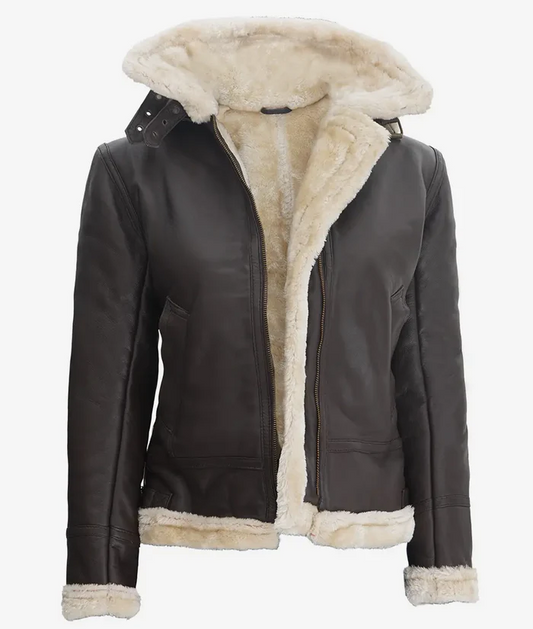
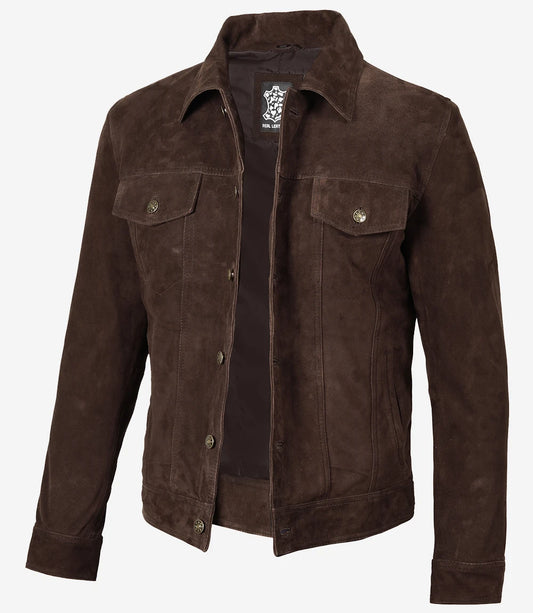
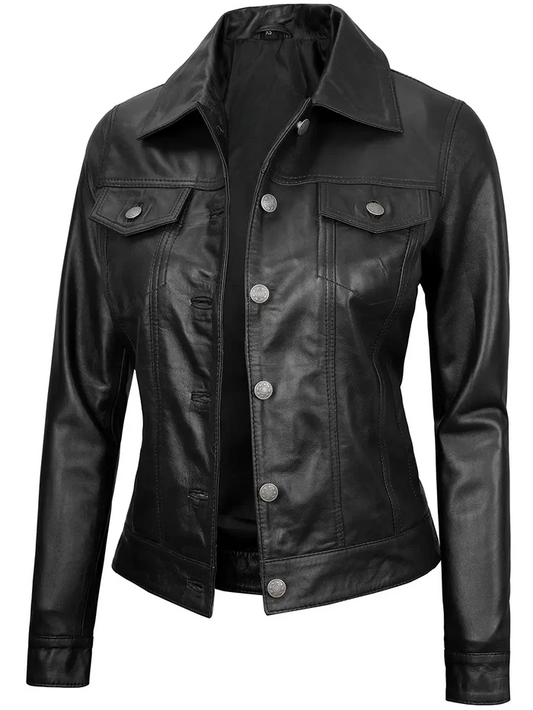
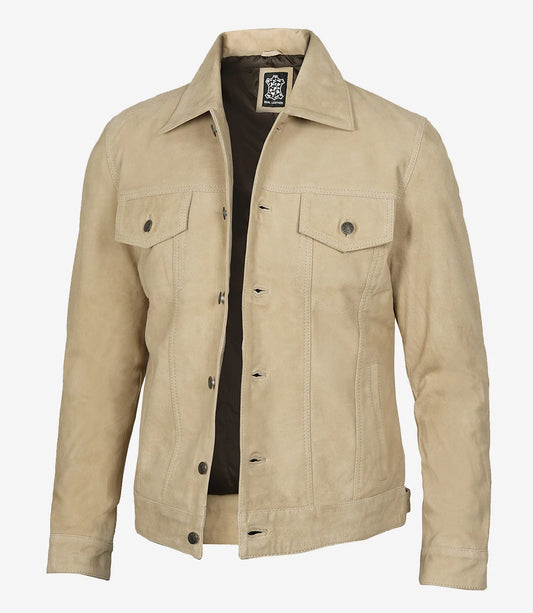
Faux leather has gotten good enough that spotting the difference isn't always obvious at a glance, especially in photos. Before you buy, a few quick checks can tell you whether you're looking at genuine hide or a synthetic imitation — no lab equipment required.
The Smell Test
Genuine leather has a distinct, earthy smell that's hard to fake — it's the tanning process, not a spray-on scent. Synthetic leather (PU or PVC) tends to smell faintly of plastic or chemicals instead, even when it's made to look convincing.
The Touch Test
Real leather feels slightly warm and has natural texture variation across the surface — no two spots feel identical. Synthetic leather often feels uniformly smooth and slightly cool or plasticky, since it's manufactured to a consistent pattern rather than grown as skin.
The Grain Test
Look closely at the surface texture. Genuine leather has irregular, natural grain — pores, subtle variation, occasionally a small natural mark. Synthetic leather usually has a grain pattern that repeats in a way real hide never does, since it's embossed by machine.
Check the Edges
Flip a corner or check an unfinished edge, like inside a pocket. Genuine leather shows a fibrous, suede-like cross-section. Synthetic materials typically reveal a fabric backing or uniform plastic layer underneath the surface coating.
Price as a Signal (Not Proof)
Genuine leather costs more to produce than synthetic, so an unusually low price on a "leather" jacket is worth a second look. That said, price alone isn't proof either way — always cross-check with the smell, touch, and grain tests above.
Quick check: genuine leather smells earthy, feels warm with natural texture variation, and shows irregular grain up close. Uniform texture, a plastic smell, or a fabric backing at the edges usually means synthetic.
Want to understand the different quality grades within genuine leather itself? See our guide to Full-Grain, Top-Grain, Genuine & Suede.