Few wardrobe pieces have as strong a cinematic history as the leather jacket. From rebellious bikers to sharp-suited professionals, film has shaped how we read leather on screen for decades.
The Rebel Era
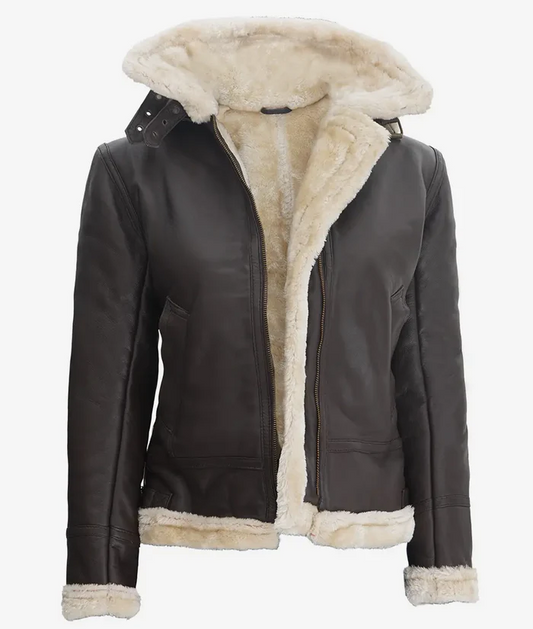
Mid-century film cemented the biker jacket as a symbol of rebellion and cool detachment — asymmetric zip, wide collar, worn as a statement rather than just outerwear. That association has stuck for generations since.
The Action Hero Staple
Later decades leaned on leather jackets for a different purpose: practicality on screen. Durable, weathered leather read as functional and grounded, a natural choice for characters defined by physicality rather than style.
The Quiet Sophistication Era
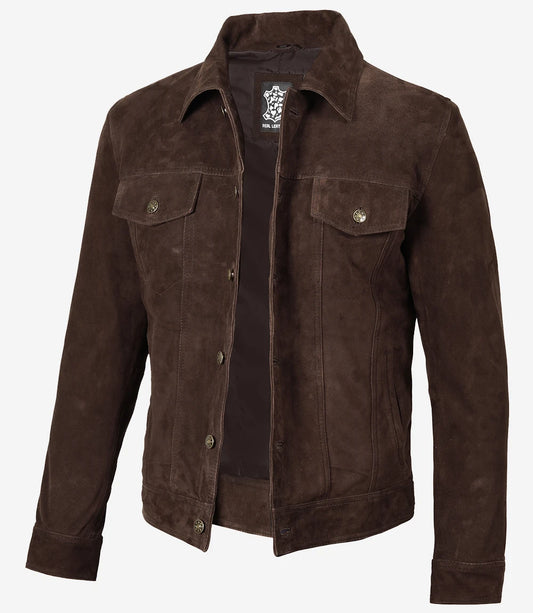
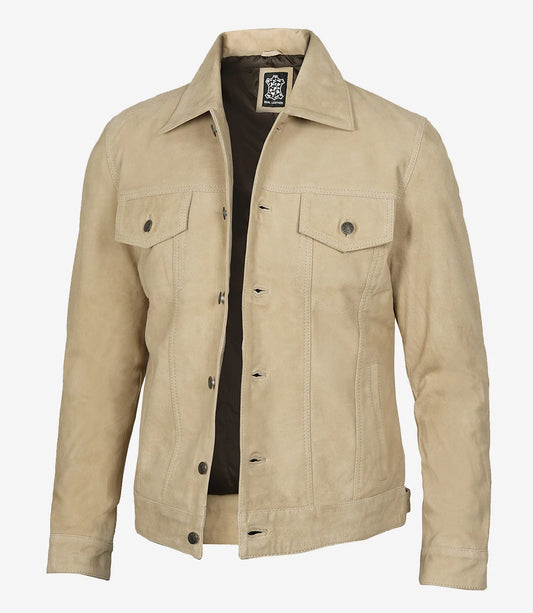
More recent film has used leather differently again — sleek blazers and matte finishes for characters meant to project quiet confidence rather than rebellion or ruggedness, tracking the same minimalist shift we've seen off-screen too.
Why Film Keeps Coming Back to Leather
Few materials carry as much visual shorthand. A single jacket choice can signal rebellion, toughness, or restraint depending on cut and finish — which is exactly why costume designers keep reaching for it.
The throughline: leather's meaning on screen has shifted with each era, from rebellion to ruggedness to quiet sophistication, but it's never stopped being a go-to visual shorthand for character.
Read more about one specific era in Hollywood's Love Affair with Suede and Matte Finishes.