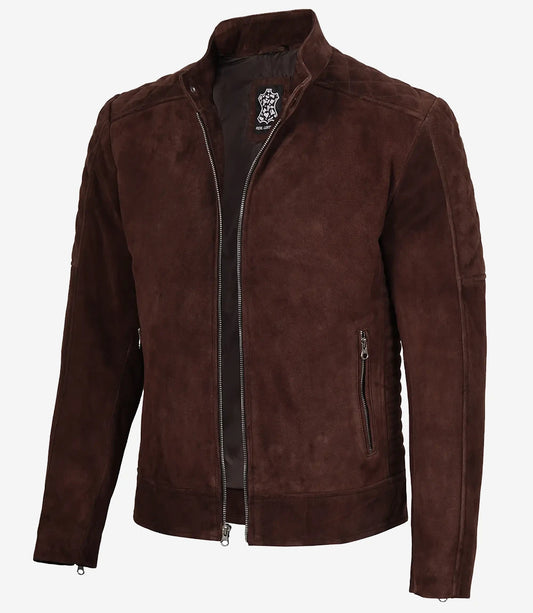
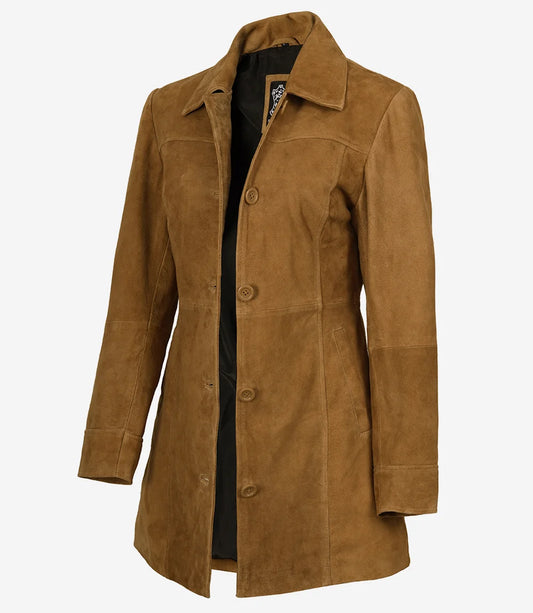
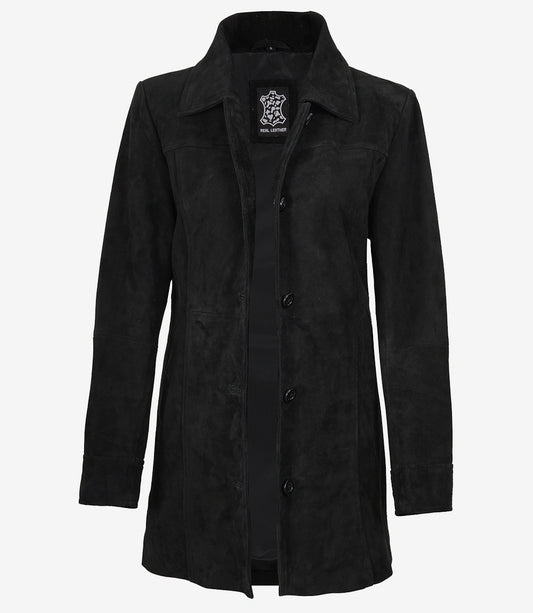
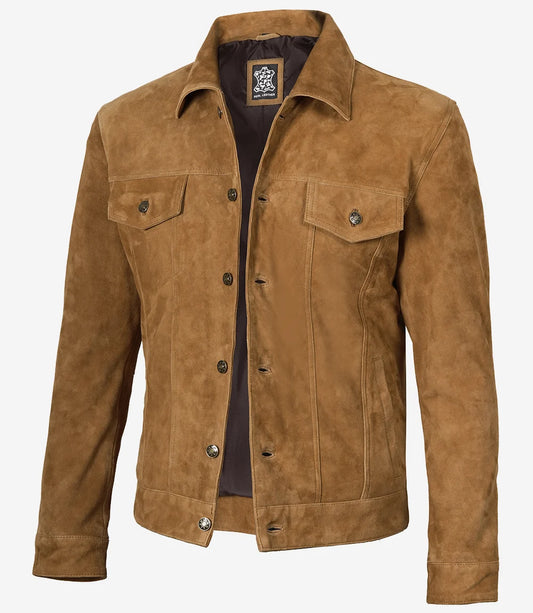
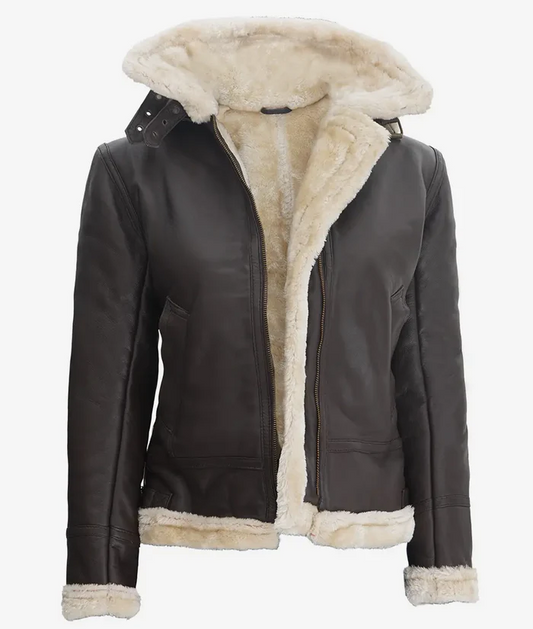
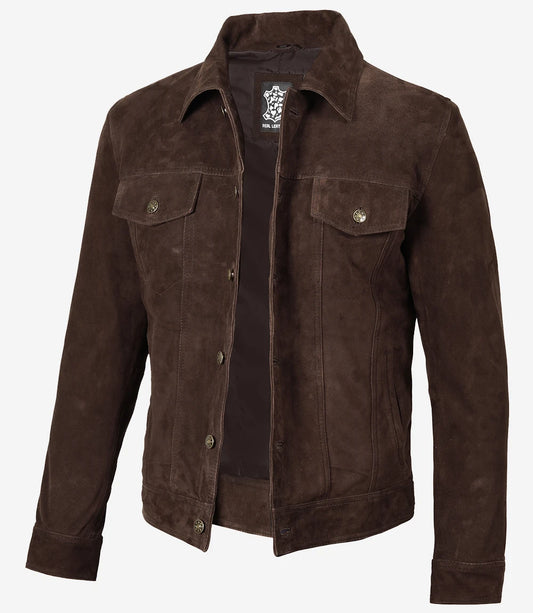
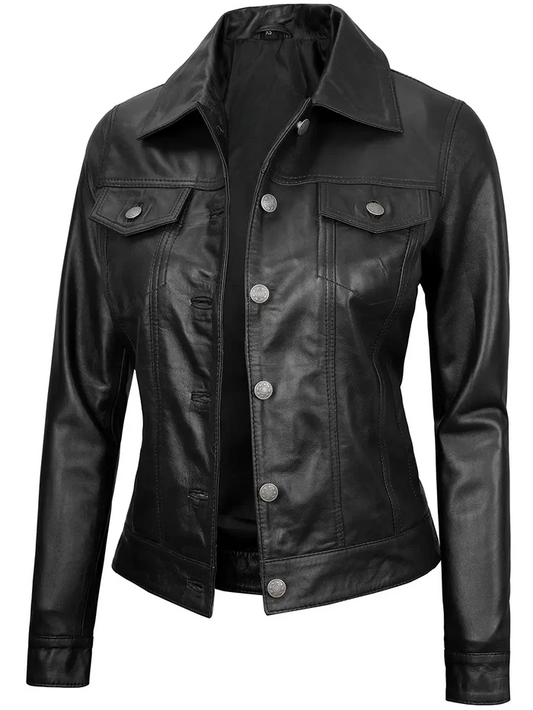
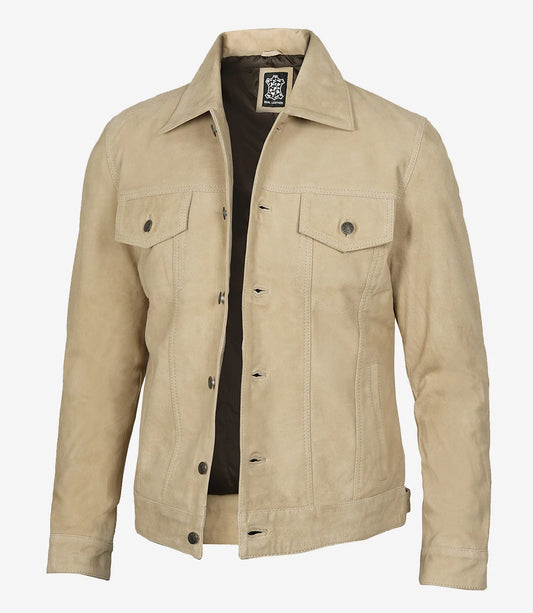
A genuine leather jacket costs more upfront than a fast-fashion alternative, but the real comparison isn't the sticker price — it's cost per wear over the years you'll actually own it.
The Cost-Per-Wear Math
A $150 synthetic jacket that lasts one season and gets replaced costs more over five years than a well-made genuine leather jacket worn regularly across that same period, even at a higher upfront price.
Leather Improves, Synthetic Degrades
Genuine leather develops a richer patina and softens with wear, actually looking better after a few years of regular use. Synthetic materials crack, peel, and degrade with the same amount of wear, moving in the opposite direction entirely.
Fewer Replacements, Less Waste
Beyond the financial math, buying fewer, better-made pieces rather than repeatedly replacing worn-out synthetic jackets means less waste over time — a practical byproduct of investing in quality rather than a specific environmental claim.
What Makes the Investment Pay Off
The investment case only holds if the leather is genuine and well-constructed. Reinforced stitching, real metal hardware, and full-grain or top-grain leather are what actually justify a higher price versus a low-grade "genuine leather" product that won't hold up any better than synthetic.
The real comparison: it's not price versus price, it's cost-per-wear over years of ownership - and genuine, well-constructed leather wins that comparison decisively.
Want to know exactly what to look for in construction quality? See Types of Leather Explained.